
Selling Land to a Developer in Illinois | What to Expect
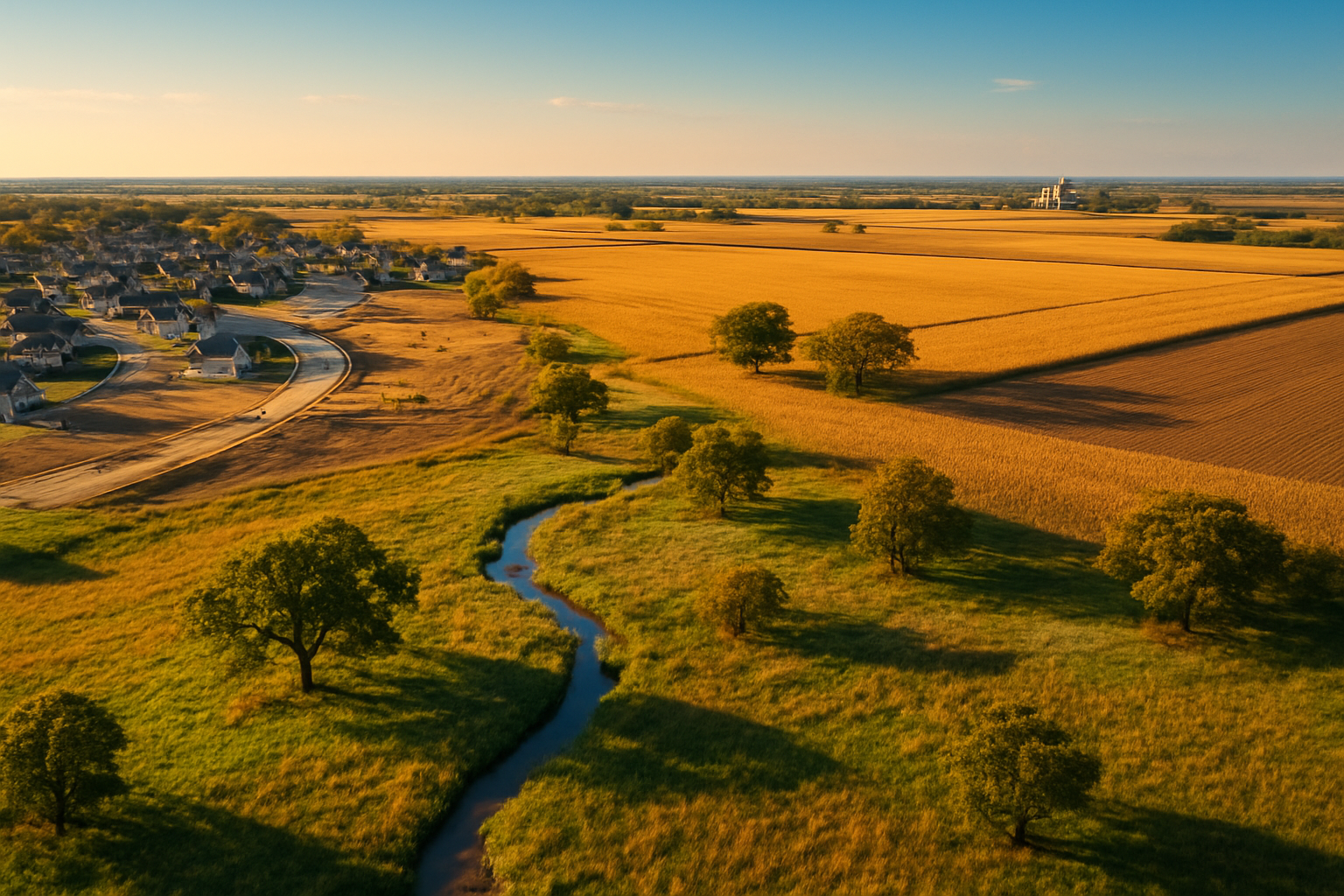
What Developers Look for When They Want to Buy Land in Illinois
Selling land to a developer can be lucrative, but the process is fundamentally different from a standard land sale. Developers do not evaluate property the way individual buyers do. They analyze every parcel through the lens of profitability: can this land support a project that generates a return on their land investment? Understanding the current market demand for land and what developers prioritize helps you position your Illinois property effectively and negotiate from a place of knowledge.
Not every parcel is a candidate for land development. Developers focus on specific characteristics, and your land's suitability depends on factors like location, zoning, utilities, topography, and size. Selling land in Illinois involves understanding what qualified buyers are looking for. This guide covers what developers want, where the local demand is strongest in the Illinois land market, and how the buying process works from first contact through closing.
Key Factors That Determine Land Value for Illinois Land Development
When a developer evaluates your Illinois land, they assess several factors that determine land value and whether the property acquisition is worth pursuing:
- Zoning and permitted uses. The zone classification dictates what land can be used for. Residential, commercial, industrial, and agricultural designations each attract different types of developers. Properties already zoned for the intended land development command higher per acre pricing because the developer avoids costly rezoning delays.
- Proximity to urban centers. Land near growing suburbs in Will County, Kane County, McHenry County, and the I-55 corridor south of Chicago sees the strongest demand for land from residential and commercial developers. Location based on proximity to employment centers, highways, and amenities directly impacts the average price.
- Utility access. Water, sewer, electricity, and natural gas connections reduce development costs significantly. Undeveloped land without utilities still sells, but developers factor the infrastructure investment into their offer.
- Parcel size and shape. Developers prefer larger, regularly shaped parcels. Irregular shapes, narrow strips, and parcels split by easements can limit the potential for development. Adjacent property that could be assembled into a larger tract increases value.
- Environmental conditions. Wetlands, flood zones, brownfield contamination, and drainage issues reduce land value. Developers conduct environmental due diligence before committing to any property acquisition. Clean sites sell faster.
Due Diligence and the Developer Buying Process
When selling to a developer, expect a longer timeline than a standard land sale. The buying process typically unfolds in stages:
- Letter of intent. The developer presents a non-binding offer outlining the purchase price, contingencies, and due diligence period. This is not a final contract.
- Due diligence period. Developers typically request 60-180 days to investigate zoning, environmental conditions, title, survey, and local regulations. They review tax records, study permitted uses, check for any lien on the property, and assess whether the land can support their intended project.
- Entitlements and approvals. If the land requires rezoning or special permits, the developer handles this, but the timeline extends further. Municipal approval processes in Illinois can take 3-12 months depending on the jurisdiction.
- Closing. Only after all contingencies are satisfied does the deal close. An Illinois real estate attorney manages the legal considerations for both parties.
The risk for any landowner looking to sell is that the deal falls apart during due diligence. This is not uncommon. Many developers walk away after discovering issues with zoning, environmental compliance, or financing. A landowner who wants to sell your land without this uncertainty should consider a direct cash buyer instead.
Selling Vacant Land to a Developer: Negotiation and Legal Considerations
Negotiating with a developer requires understanding your competitive edge. Developers are sophisticated real estate investors who negotiate aggressively on price and terms. Here are strategies for a successful land transaction:
- Know your land value. Research recent sales and comparable sales in your county. Understanding what similar land parcels have sold for per acre gives you negotiation leverage. Consult a qualified appraiser or a land broker if needed.
- Set a competitive asking price. Overpricing kills developer interest. Underpricing leaves money on the table. Pricing based on location, current market conditions, and recent sales in your area positions you correctly.
- Limit the due diligence period. Developers want maximum time; you want minimal exposure. Negotiate a reasonable timeline with milestone checkpoints.
- Protect your earnest money. Require substantial earnest money deposits that become non-refundable after key milestones. This ensures the developer is serious.
- Address capital gains early. Selling land triggers capital gains taxes. Illinois imposes a 4.95% state tax rate on gains in addition to federal capital gains taxes. A 1031 exchange may allow you to defer these taxes by reinvesting in another property. Consult a qualified tax professional to make an informed decision about avoiding common pitfalls in tax planning.
Selling Farmland in Illinois to a Developer
Illinois farmland is increasingly attracting developer attention, especially in the collar counties around Chicago where suburban expansion pushes into agricultural land. If you own Illinois farmland and a developer approaches you, understand that your land may be worth significantly more for land development than for farming. Agricultural land in high-growth corridors near areas like Joliet, Aurora, and communities along I-80 can command multiples of the standard farm per acre price.
However, selling farmland in Illinois to a developer involves additional considerations. Illinois has specific land use regulations around agricultural preservation. Some counties have development impact fees. Property tax assessments may change dramatically once land is rezoned from agricultural use, potentially triggering higher real estate taxes during a lengthy entitlement process. Our land company provides guidance on these issues when Illinois landowners sell their land to us instead.
The University of Illinois Extension Service publishes annual Illinois farmland value data that can help you benchmark your property's worth in the current real estate market.
The Illinois Land Market: Where Developers Are Buying
The Illinois land market for development is concentrated in specific growth corridors. The strongest demand for land comes from:
- Chicagoland collar counties including Will, Kane, McHenry, and Kendall counties where residential subdivisions and commercial centers continue expanding
- I-80 and I-55 corridors where logistics, warehouse, and industrial land development is booming
- Metro East near St. Louis where O'Fallon, Edwardsville, and surrounding communities attract both residential and commercial developers
- Rockford metro area where affordable land and manufacturing recovery drive local demand
Outside these corridors, developer interest drops significantly. Rural land, recreational land, and parcels in slow-growth areas are harder to sell to developers. If your property is not in a high-demand zone, selling to a cash buyer is often the better path. Some landowners try to market to the right audience through a variety of marketing channels, but off-market deals with cash land buyers tend to produce faster results.
When a Cash Buyer Makes More Sense Than a Developer: Sell Your Illinois Land Fast
Selling to a developer makes sense when your land is in a high-growth area, properly zoned, and you can afford to wait 6-18 months for the deal to close. But for many Illinois landowners, a direct cash sale provides a smoother, faster result.
When you sell directly to a cash buyer like us, you avoid the long timeline, contingency risk, and negotiation complexity of developer deals. We purchase vacant land, agricultural land, vacant lots, and any land type throughout Illinois. We conduct our own evaluation using comparable sales and current market data, present a fair cash offer, and close in as little as 2 weeks.
If you are a landowner looking to sell your Illinois land and want certainty over speculation, we are ready to buy. Whether you sell directly to us or pursue a developer deal, understanding the process helps you make an informed decision. A successful land sale starts with knowing your options and choosing the path that fits your timeline and financial goals. Our land company provides a simple, transparent alternative to the developer buying process. Selling land in Illinois involves many moving parts, but it does not have to be complicated. We can help you make a smooth sale and enhance property value by removing all barriers to closing. A long-term investment in waiting for a developer is not always worth the potential income when a fair cash offer is available today.
How long does it take to sell land to a developer in Illinois?
Developer transactions typically take 6 to 18 months due to due diligence, zoning, permitting, and financing contingencies. Some complex deals take even longer. Selling to a cash buyer takes as little as 2 weeks.
Will a developer pay more than a cash buyer for my Illinois land?
Potentially, if the land is in a high-demand land development area with proper zoning. However, developer offers include contingencies that can reduce the final purchase price or cause the deal to collapse. A cash offer provides certainty and eliminates timeline risk.
What are the capital gains taxes when selling land to a developer in Illinois?
You owe federal capital gains taxes plus Illinois's 4.95% state tax rate on the gain. The tax rate depends on how long you held the property. A 1031 exchange may defer these taxes. Consult a qualified tax professional for guidance on your specific tax liability.